
TMJ Treatment – Lancaster, PA
Lasting Relief from Jaw Stiffness and Pain
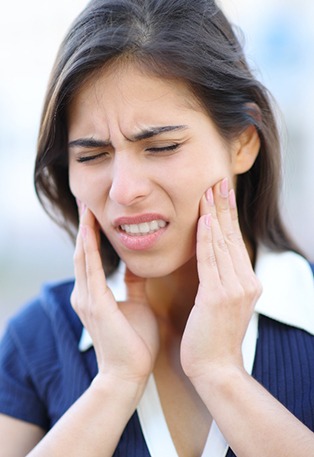
Your temporomandibular joints (TMJ) connect your jaw to your skull bone so it can move freely when speaking, chewing, and even smiling. However, if these small, delicate joints become strained due to genetics or injury, it can cause severe discomfort and restricted jaw mobility. At Dentistry for Life, our team is experienced providing TMJ treatment in Lancaster and is proud to offer several options to provide lasting relief from your debilitating symptoms. Contact your dentist in Lancaster today to learn more about how we can help you protect your smile and live pain free once again.
Why Choose Dentistry for Life for TMJ Treatment
- Multiple Treatment Options Available
- Dentist Experienced in Diagnosing & Treating TMJ Disorders
- Can Stop Chronic Headaches & Jaw Pain
What Is TMJ Disorder?
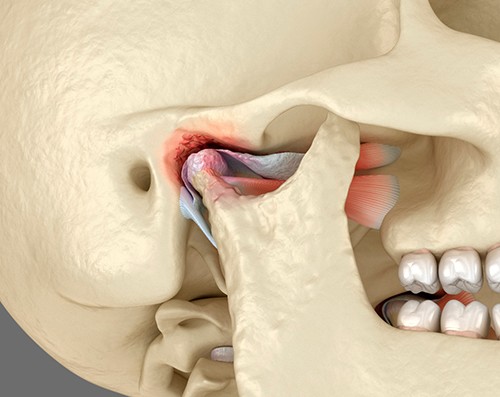
TMJ dysfunction, also referred to as TMJ disorder, is a painful condition that affects the temporomandibular joints, muscles, and connective tissues surrounding the jaw. These important joints help you open and close your mouth so you can chew your food, speak, laugh, and even sneeze.
The temporomandibular joints connect your mandible (lower jaw) to the maxilla (upper jaw), but when they become overworked due to things like bite problems, bruxism (teeth grinding) or past oral trauma and sustain additional force or tension, it could cause chronic pain and discomfort.
Symptoms of TMJ Disorder
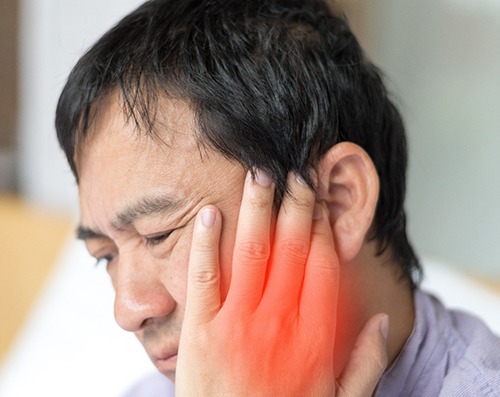
There are several key symptoms of a TMJ disorder. Patients may experience some or all of the following:
- Pain and tenderness in the jaw
- Lockjaw
- A clicking or popping sound when opening and closing your mouth
- Earaches or ear ringing (tinnitus)
- Neck and back pain
- Difficulty or pain while chewing
- Pain behind the eyes
- Limited mouth movement
- Changes in bite
Types of TMJ Treatment
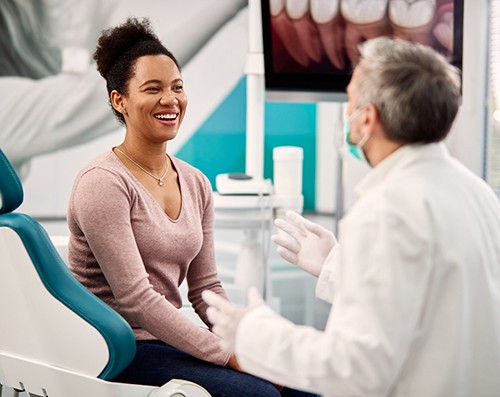
To determine which type of TMJ treatment is best for your individual condition, you’ll first need to have a diagnostic examination with your dentist at Dentistry for Life. During this visit, we will conduct a physical examination of the jaw, as well as digital X-rays or CBCT scans.
Once we have a clearer understanding of your jaw, your dentist will discuss each of your treatment options with you and help you determine which solution is best based on your unique anatomy.
TMJ disorders can be caused by a variety of different things, including past oral trauma, genetics, and even bite or restoration issues. Thus, your treatment will depend on these factors and how best to overcome them.
Occlusal Splint
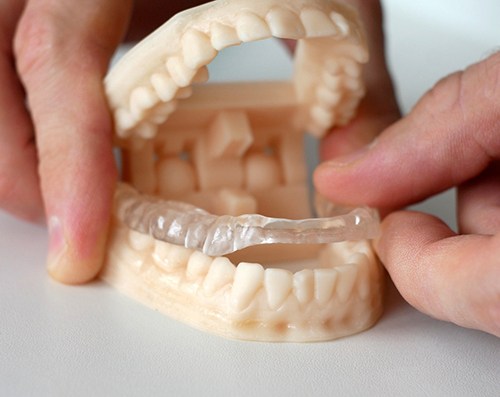
Occlusal splints are oral appliances used to help protect teeth from grinding and worsening your TMJ disorder symptoms. They can also shift your jaw slightly forward, helping your joints rest comfortably and providing long-term relief from chronic pain and tenderness.
Equilibration/Occlusal Adjustment
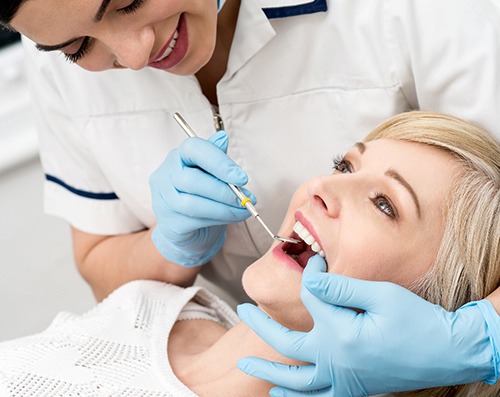
One of the most common causes of TMJ disorders are bite problems, which can occur when dental restorations or dental work aren’t properly cemented into the mouth. This can cause uneven distribution of force on the temporomandibular joints.
Occlusal adjustment works to correct these issues by calculating the bite and buffing down certain restorations that may be causing an uneven biteforce. This will ultimately help the facial muscles and connective tissues relax, alleviating pain.
TMJ Treatment FAQs
Can TMJ Be Cured Permanently?
Whether TMJ disorder can be resolved for good depends on what's causing it. For some patients, the condition stems from treatable factors like bite misalignment, jaw overuse, or stress-related clenching. In these cases, with the right care, symptoms can be dramatically reduced or even eliminated entirely.
However, for others, TMJ is a chronic condition that requires ongoing management to stay comfortable. At Dentistry for Life, our team will begin your treatment by investigating the root cause of your discomfort before recommending a path forward. We feel this approach gives our patients the best possible chance at long-term relief from TMJ treatment in Lancaster.
Is TMJ Treatment Safe?
When properly diagnosed and managed by a trained professional dentist in Lancaster, TMJ treatment is very safe. Our team begins with a thorough evaluation to understand your jaw function, bite, and symptoms before moving forward with any treatment. This lets us ensure that you’re informed and can make decisions for your jaw health with confidence.
We also use conservative options like occlusal splints and equilibration, which are well-established, low-risk approaches that work with your bite rather than against it. If you have concerns or questions about what TMJ treatment involves, our Lancaster team is always happy to walk you through the process.
Can TMJ Be Treated Without Surgery?
For the vast majority of patients, yes. Surgery is rarely the first step in managing TMJ disorder, and in most cases, it’s never required to help patients find relief. At our Lancaster dental office, we focus on conservative, non-surgical approaches first. Occlusal splints, for example, are custom-fitted mouthguards that relieve pressure on your jaw joint and reduce grinding or clenching.
Equilibration, also referred to as occlusal adjustment, is another option that involves carefully reshaping specific teeth. This improves how your bite comes together and reduces stress on the joint. To explore the full range of services our talented team provides, visit our dental services page.
Does Occlusal Adjustment for TMJ Hurt?
Not at all. In fact, most patients are pleasantly surprised by how comfortable the process can be. Occlusal adjustment involves making small, precise modifications to the surfaces of certain teeth to improve bite alignment and reduce strain on your jaw joint.
Equilibration is a less-invasive procedure that typically requires no anesthesia. That said, our team can provide dental sedation options if you’re anxious or numb the area if you have sensitive teeth—whatever makes you feel comfortable.
You may notice some mild soreness in your jaw muscles in the days following treatment as they adjust. However, for most patients, this fades quickly and is generally far more manageable than the pain they walked in with.